
Physical Therapy for your Nervous System
Physical Therapy for your Nervous System
Pain isn’t just about tissues or injuries. It’s often a nervous system doing its best to protect you, and physical therapy can help that system learn when it’s safe to soften again.
Pain isn’t just about tissues or injuries. It’s often a nervous system doing its best to protect you, and physical therapy can help that system learn when it’s safe to soften again.
January 25, 2026
January 25, 2026
Physical Therapy for Your Nervous System
This blog has been a long time in the making. It’s a culmination of what I learned studying the human body in school, what I’ve learned working with patients since 2020, what continuing education has challenged me to rethink, and what my ongoing practice of mindfulness meditation continues to teach me the hard way. It is not meant to be a complete explanation of how the nervous system works. That would be a different kind of blog, and probably a much longer one.
Instead, this is an attempt to make visible how I listen to my patients’ stories. Especially those coming into my Oak Park and Chicago physical therapy practice with pain that doesn’t quite fit into a clean box. Pain that lingers or pain that shifts. Pain that flares when life gets heavy and quiets when things feel safer. When you start listening closely, patterns emerge. Not just in tissues, but in nervous systems, habits, beliefs, and lived experience.
If you want more background, this blog builds on things I’ve written previously, including What Your Nerves Need for Pain Relief, Pain as a Protective Alarm, and Understanding Pain: A Mindful Framework. This is the connective tissue between those ideas.
Information Overload and Disembodiment
We live in a time of unprecedented access to information. You can learn more about pain, posture, discs, nerves, and inflammation in ten minutes on the internet than a physical therapy student could have twenty years ago. And yet, people are more confused, anxious, and disconnected from their bodies than ever.
The nervous system we’re all walking around with evolved to keep us alive in a very different world. It is excellent at detecting threat. It is not particularly good at distinguishing between a lion in the grass and an email marked urgent. When that system is constantly fed stimulation, urgency, and pressure, it does what it was designed to do. It stays on.
Many of the patients I work with are not lacking discipline or motivation. They are overwhelmed, overstimulated, and disembodied. Living primarily from the neck up, trying to think their way out of sensations that were never meant to be solved cognitively.
Mind-body connection isn’t a buzzword here, it's reality. Without this understanding that is gaining more acceptance, we miss the root of what drives persistent pain. With the chronic pain epidemic raging in America, we need to bridge worldviews and expand our understanding of the human body (and human experience.)

How Disembodiment Shows Up as Pain
Disembodiment sounds abstract until you see it play out in real life. It looks like people who can describe their MRI findings in detail but cannot tell you what their body feels like when they breathe. It looks like holding tension all day without realizing it until the pain is unbearable. It looks like ignoring signals until the nervous system starts shouting.
What we often label as anxiety, burnout, or even poor posture shows up physically. Tight chests. Shallow breathing. Guarded movement. Racing thoughts paired with exhausted bodies. When someone tells me they feel mentally fried, what they usually describe next is a set of physical sensations. A knot in the stomach. A tight jaw. A buzzing sense of restlessness.
Mental and physical health are not separate and they never were; the nervous system simply does not recognize that distinction.
A Re-Integrated View of Health
Western healthcare has done many incredible things. It has also inherited a view of the human being that splits mind from body and treats symptoms in isolation. Pain gets sent down one hallway. Mental health goes down another. Stress is treated as an unfortunate side effect of modern life rather than a biological signal asking for change.
In physical therapy, this shows up when we chase mechanics alone. When the question becomes what muscle is weak instead of what system is overloaded. Strength matters. Movement matters. But context matters too.
Health is not just the absence of symptoms. It is the ability to adapt, recover, and feel a sense of safety in your own body.

Why the Nervous System Matters in Physical Therapy
When someone comes in for chronic pain physical therapy, I’m not just assessing joints and muscles. I’m paying attention to pacing, breathing, tone of voice, and how their story unfolds. Is everything urgent. Is everything minimized. Is there fear around certain movements. Is there frustration or resignation.
Pain that persists is often pain that the nervous system has learned. Not because the person did something wrong, but because the system adapted to repeated stress, injury, or uncertainty. The work then becomes helping that system update.
This is where physical therapy expands beyond exercise sheets and body mechanics. We use movement to build confidence. Breathing to downshift arousal. Education to reduce threat. Strength to increase capacity. Mindfulness to reconnect sensation with safety. No single tool works all the time. Together, they start to change the environment the nervous system is responding to.
Returning to an Embodied State
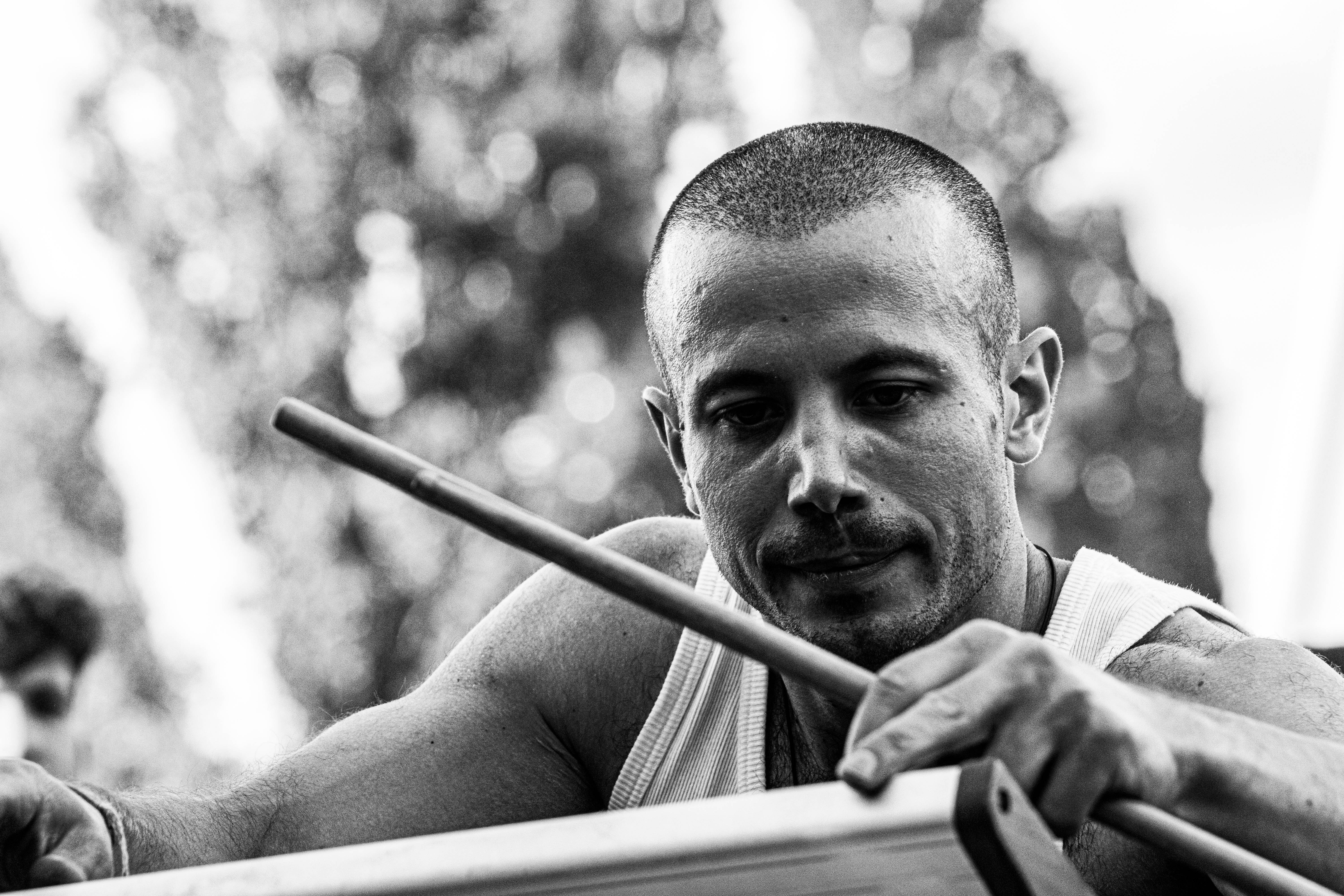
Re-inhabiting the body is often not dramatic. It is subtle and often unglamorous. It looks like slowing down enough to notice your feet on the floor. Like realizing you’ve been holding your breath while answering emails. Like walking without bracing for pain before it arrives.
When people begin to feel safer in their bodies, a lot changes. Pain becomes less rigid. Flare ups feel less catastrophic. Movement becomes an option instead of a threat.
These small shifts in daily experience open a door to move into what we would traditionally think of as physical therapy, i.e. the flexibility and strength training, the return to running or biking, getting back to the gym.
Wellbeing has a felt sense. It feels open and grounded at the same time. Oftentimes I will hear explanations of being calm but not collapsed or energized without being frantic. Most people recognize this state immediately when they touch it again, even if it’s been a while.

Where Physical Therapy Fits In
Physical therapy for the nervous system is not separate from physical therapy for pain. It is the foundation of it. Especially for people in Oak Park and Chicago who are juggling demanding lives, work stress, family responsibilities, and bodies that are trying to keep up.
My goal is not to fix you. It is to help you listen more intently and with equanimity to build tools you can use when pain shows up. This is what re-establishes trust with your body rather than treating it like a problem to solve.
In a world that pulls us out of ourselves constantly, coming back into the body is a quiet but powerful act. One that changes how pain is experienced and how life is lived.
If you’re curious about what it would look like to approach physical therapy this way, that conversation usually starts exactly where you are.
Physical Therapy for Your Nervous System
This blog has been a long time in the making. It’s a culmination of what I learned studying the human body in school, what I’ve learned working with patients since 2020, what continuing education has challenged me to rethink, and what my ongoing practice of mindfulness meditation continues to teach me the hard way. It is not meant to be a complete explanation of how the nervous system works. That would be a different kind of blog, and probably a much longer one.
Instead, this is an attempt to make visible how I listen to my patients’ stories. Especially those coming into my Oak Park and Chicago physical therapy practice with pain that doesn’t quite fit into a clean box. Pain that lingers or pain that shifts. Pain that flares when life gets heavy and quiets when things feel safer. When you start listening closely, patterns emerge. Not just in tissues, but in nervous systems, habits, beliefs, and lived experience.
If you want more background, this blog builds on things I’ve written previously, including What Your Nerves Need for Pain Relief, Pain as a Protective Alarm, and Understanding Pain: A Mindful Framework. This is the connective tissue between those ideas.
Information Overload and Disembodiment
We live in a time of unprecedented access to information. You can learn more about pain, posture, discs, nerves, and inflammation in ten minutes on the internet than a physical therapy student could have twenty years ago. And yet, people are more confused, anxious, and disconnected from their bodies than ever.
The nervous system we’re all walking around with evolved to keep us alive in a very different world. It is excellent at detecting threat. It is not particularly good at distinguishing between a lion in the grass and an email marked urgent. When that system is constantly fed stimulation, urgency, and pressure, it does what it was designed to do. It stays on.
Many of the patients I work with are not lacking discipline or motivation. They are overwhelmed, overstimulated, and disembodied. Living primarily from the neck up, trying to think their way out of sensations that were never meant to be solved cognitively.
Mind-body connection isn’t a buzzword here, it's reality. Without this understanding that is gaining more acceptance, we miss the root of what drives persistent pain. With the chronic pain epidemic raging in America, we need to bridge worldviews and expand our understanding of the human body (and human experience.)
How Disembodiment Shows Up as Pain
Disembodiment sounds abstract until you see it play out in real life. It looks like people who can describe their MRI findings in detail but cannot tell you what their body feels like when they breathe. It looks like holding tension all day without realizing it until the pain is unbearable. It looks like ignoring signals until the nervous system starts shouting.
What we often label as anxiety, burnout, or even poor posture shows up physically. Tight chests. Shallow breathing. Guarded movement. Racing thoughts paired with exhausted bodies. When someone tells me they feel mentally fried, what they usually describe next is a set of physical sensations. A knot in the stomach. A tight jaw. A buzzing sense of restlessness.
Mental and physical health are not separate and they never were; the nervous system simply does not recognize that distinction.
A Re-Integrated View of Health
Western healthcare has done many incredible things. It has also inherited a view of the human being that splits mind from body and treats symptoms in isolation. Pain gets sent down one hallway. Mental health goes down another. Stress is treated as an unfortunate side effect of modern life rather than a biological signal asking for change.
In physical therapy, this shows up when we chase mechanics alone. When the question becomes what muscle is weak instead of what system is overloaded. Strength matters. Movement matters. But context matters too.
Health is not just the absence of symptoms. It is the ability to adapt, recover, and feel a sense of safety in your own body.
Why the Nervous System Matters in Physical Therapy
When someone comes in for chronic pain physical therapy, I’m not just assessing joints and muscles. I’m paying attention to pacing, breathing, tone of voice, and how their story unfolds. Is everything urgent. Is everything minimized. Is there fear around certain movements. Is there frustration or resignation.
Pain that persists is often pain that the nervous system has learned. Not because the person did something wrong, but because the system adapted to repeated stress, injury, or uncertainty. The work then becomes helping that system update.
This is where physical therapy expands beyond exercise sheets and body mechanics. We use movement to build confidence. Breathing to downshift arousal. Education to reduce threat. Strength to increase capacity. Mindfulness to reconnect sensation with safety. No single tool works all the time. Together, they start to change the environment the nervous system is responding to.
Returning to an Embodied State
Re-inhabiting the body is often not dramatic. It is subtle and often unglamorous. It looks like slowing down enough to notice your feet on the floor. Like realizing you’ve been holding your breath while answering emails. Like walking without bracing for pain before it arrives.
When people begin to feel safer in their bodies, a lot changes. Pain becomes less rigid. Flare ups feel less catastrophic. Movement becomes an option instead of a threat.
These small shifts in daily experience open a door to move into what we would traditionally think of as physical therapy, i.e. the flexibility and strength training, the return to running or biking, getting back to the gym.
Wellbeing has a felt sense. It feels open and grounded at the same time. Oftentimes I will hear explanations of being calm but not collapsed or energized without being frantic. Most people recognize this state immediately when they touch it again, even if it’s been a while.
Where Physical Therapy Fits In
Physical therapy for the nervous system is not separate from physical therapy for pain. It is the foundation of it. Especially for people in Oak Park and Chicago who are juggling demanding lives, work stress, family responsibilities, and bodies that are trying to keep up.
My goal is not to fix you. It is to help you listen more intently and with equanimity to build tools you can use when pain shows up. This is what re-establishes trust with your body rather than treating it like a problem to solve.
In a world that pulls us out of ourselves constantly, coming back into the body is a quiet but powerful act. One that changes how pain is experienced and how life is lived.
If you’re curious about what it would look like to approach physical therapy this way, that conversation usually starts exactly where you are.
Chris voirin
Chris voirin
our journal
our journal
More insights for you.
More insights for you.
Explore more reflections, guidance, and practical tools to support your growth and well-being.
Explore more reflections, guidance, and practical tools to support your growth and well-being.

When pain, stress, or injury linger longer than we expect, we often start looking for solutions outside ourselves like new exercises, better stretches, the next treatment. But we already carry two powerful tools that can directly change our experience: breath and awareness. And they’ve been with us since the day we were born.
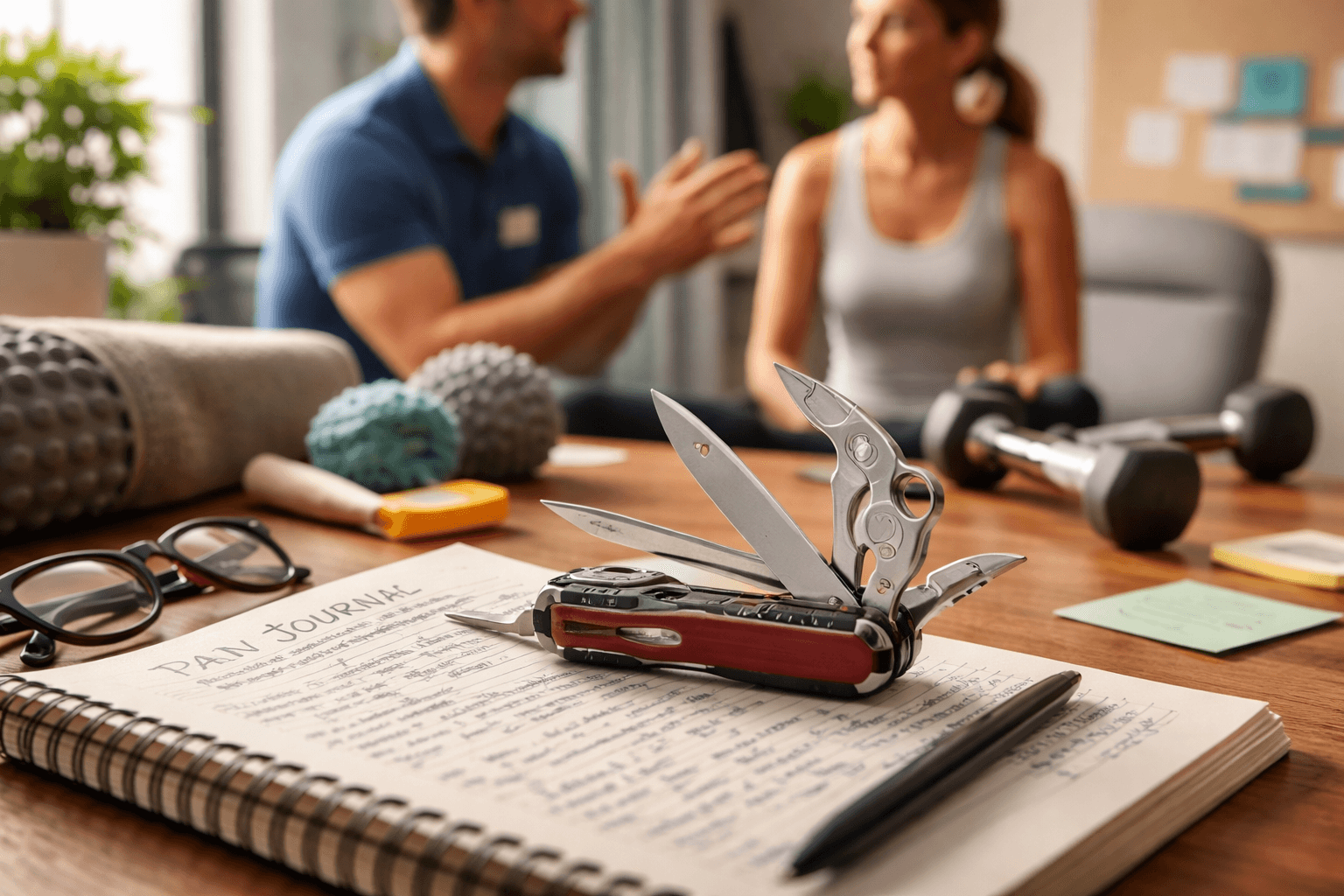
Physical Therapy for Chronic Pain: Building a Swiss-Army Knife of Tools for Relief
Physical Therapy for Chronic Pain: Building a Swiss-Army Knife of Tools for Relief
Your questions.
Answered.
Not sure what to expect? These answers might help you feel more confident as you begin.
Didn’t find your answer? Send us a message — we’ll respond with care and clarity.
How is this different than other physical therapy practices?
We don’t just chase symptoms, we help you understand them and find the root cause. Most PT clinics will give you a list of exercises, send you home, and hope for the best. At Mindful Motion, we slow things down. We start by listening to your story, digging into the “why” behind your pain, and creating a plan that works for your life.
How is this different than other physical therapy practices?
We don’t just chase symptoms, we help you understand them and find the root cause. Most PT clinics will give you a list of exercises, send you home, and hope for the best. At Mindful Motion, we slow things down. We start by listening to your story, digging into the “why” behind your pain, and creating a plan that works for your life.
What can I expect from the first session?
What can I expect from the first session?
The first session is all about getting a thorough background, comprehensive analysis of your strength, flexibility, and mobility, and understanding your history with pain. You’ll talk with your PT about what brings you here, what's held you back in the past, and where you'd like to go.
Do you offer both online and in-person sessions?
Do you offer both online and in-person sessions?
Yes. Whether you prefer meeting face-to-face or from the comfort of home, we offer flexible options to meet you where you are.
What treatment strategies do you employ?
What treatment strategies do you employ?
Some of the skills which we will discuss and develop are listed below.
Graded and meaningful progression into safe movement and exercise based on your initial evaluation.
Education on Pain Neuroscience and how our understanding of pain and our nervous system plays a large role in our experience of pain.
Developing Mindfulness Meditation skills as a tool to calm the nervous system, relate to your pain differently, create a deeper understanding of your thoughts, emotions, and sensations to provide a fuller experience of daily life and deepen your presence.
Identifying and developing a plan surrounding your personal values which you would like to lead life by.
Other things which we will address are adequate sleep hygiene, appropriate aerobic exercise, working with acceptance of what is, and much more.
Why Mindfulness Meditation?
Why Mindfulness Meditation?
Depending on where you want to go in your therapy, Mindfulness Meditation can act as any number of things for you and your life. Let's start with some definitions.
Mindfulness is the purposeful ability to observe one's thoughts, feelings, and physical sensations without judgment, and to be fully present in the current moment
Meditation is the tool which we use to cultivate mindfulness in our daily lives.
Okay... so why mindfulness meditation for my recovery?
The implications of practicing Mindfulness Meditation with patience and persistence can be profound to your recovery from injury or pain. It can also have an impact to your contact to the present moment, your relationships to yourself and your thoughts, to your loved ones, and the world. You can learn to deal with stress, hardships, and the ups and downs of life with more equanimity.
We're taking your body to the gym by doing the exercises we prescribe. Why not also take your mind to the gym and help create lasting habits which can improve your quality of life?
Your questions.
Answered.
Not sure what to expect? These answers might help you feel more confident as you begin.
How is this different than other physical therapy practices?
We don’t just chase symptoms, we help you understand them and find the root cause. Most PT clinics will give you a list of exercises, send you home, and hope for the best. At Mindful Motion, we slow things down. We start by listening to your story, digging into the “why” behind your pain, and creating a plan that works for your life.
How is this different than other physical therapy practices?
We don’t just chase symptoms, we help you understand them and find the root cause. Most PT clinics will give you a list of exercises, send you home, and hope for the best. At Mindful Motion, we slow things down. We start by listening to your story, digging into the “why” behind your pain, and creating a plan that works for your life.
What can I expect from the first session?
What can I expect from the first session?
The first session is all about getting a thorough background, comprehensive analysis of your strength, flexibility, and mobility, and understanding your history with pain. You’ll talk with your PT about what brings you here, what's held you back in the past, and where you'd like to go.
Do you offer both online and in-person sessions?
Do you offer both online and in-person sessions?
Yes. Whether you prefer meeting face-to-face or from the comfort of home, we offer flexible options to meet you where you are.
What treatment strategies do you employ?
What treatment strategies do you employ?
Some of the skills which we will discuss and develop are listed below.
Graded and meaningful progression into safe movement and exercise based on your initial evaluation.
Education on Pain Neuroscience and how our understanding of pain and our nervous system plays a large role in our experience of pain.
Developing Mindfulness Meditation skills as a tool to calm the nervous system, relate to your pain differently, create a deeper understanding of your thoughts, emotions, and sensations to provide a fuller experience of daily life and deepen your presence.
Identifying and developing a plan surrounding your personal values which you would like to lead life by.
Other things which we will address are adequate sleep hygiene, appropriate aerobic exercise, working with acceptance of what is, and much more.
Why Mindfulness Meditation?
Why Mindfulness Meditation?
Depending on where you want to go in your therapy, Mindfulness Meditation can act as any number of things for you and your life. Let's start with some definitions.
Mindfulness is the purposeful ability to observe one's thoughts, feelings, and physical sensations without judgment, and to be fully present in the current moment
Meditation is the tool which we use to cultivate mindfulness in our daily lives.
Okay... so why mindfulness meditation for my recovery?
The implications of practicing Mindfulness Meditation with patience and persistence can be profound to your recovery from injury or pain. It can also have an impact to your contact to the present moment, your relationships to yourself and your thoughts, to your loved ones, and the world. You can learn to deal with stress, hardships, and the ups and downs of life with more equanimity.
We're taking your body to the gym by doing the exercises we prescribe. Why not also take your mind to the gym and help create lasting habits which can improve your quality of life?
Didn’t find your answer? Send us a message — we’ll respond with care and clarity.
Your questions.
Answered.
Not sure what to expect? These answers might help you feel more confident as you begin.
Didn’t find your answer? Send us a message — we’ll respond with care and clarity.
How is this different than other physical therapy practices?
We don’t just chase symptoms, we help you understand them and find the root cause. Most PT clinics will give you a list of exercises, send you home, and hope for the best. At Mindful Motion, we slow things down. We start by listening to your story, digging into the “why” behind your pain, and creating a plan that works for your life.
How is this different than other physical therapy practices?
We don’t just chase symptoms, we help you understand them and find the root cause. Most PT clinics will give you a list of exercises, send you home, and hope for the best. At Mindful Motion, we slow things down. We start by listening to your story, digging into the “why” behind your pain, and creating a plan that works for your life.
What can I expect from the first session?
What can I expect from the first session?
The first session is all about getting a thorough background, comprehensive analysis of your strength, flexibility, and mobility, and understanding your history with pain. You’ll talk with your PT about what brings you here, what's held you back in the past, and where you'd like to go.
Do you offer both online and in-person sessions?
Do you offer both online and in-person sessions?
Yes. Whether you prefer meeting face-to-face or from the comfort of home, we offer flexible options to meet you where you are.
What treatment strategies do you employ?
What treatment strategies do you employ?
Some of the skills which we will discuss and develop are listed below.
Graded and meaningful progression into safe movement and exercise based on your initial evaluation.
Education on Pain Neuroscience and how our understanding of pain and our nervous system plays a large role in our experience of pain.
Developing Mindfulness Meditation skills as a tool to calm the nervous system, relate to your pain differently, create a deeper understanding of your thoughts, emotions, and sensations to provide a fuller experience of daily life and deepen your presence.
Identifying and developing a plan surrounding your personal values which you would like to lead life by.
Other things which we will address are adequate sleep hygiene, appropriate aerobic exercise, working with acceptance of what is, and much more.
Why Mindfulness Meditation?
Why Mindfulness Meditation?
Depending on where you want to go in your therapy, Mindfulness Meditation can act as any number of things for you and your life. Let's start with some definitions.
Mindfulness is the purposeful ability to observe one's thoughts, feelings, and physical sensations without judgment, and to be fully present in the current moment
Meditation is the tool which we use to cultivate mindfulness in our daily lives.
Okay... so why mindfulness meditation for my recovery?
The implications of practicing Mindfulness Meditation with patience and persistence can be profound to your recovery from injury or pain. It can also have an impact to your contact to the present moment, your relationships to yourself and your thoughts, to your loved ones, and the world. You can learn to deal with stress, hardships, and the ups and downs of life with more equanimity.
We're taking your body to the gym by doing the exercises we prescribe. Why not also take your mind to the gym and help create lasting habits which can improve your quality of life?